
PVC pipe
The highest-volume pipe category of all — weight, wall and diameter, none of them can drift.
Sealion's systems cover the extrusion process and quality control of plastic pipe: gravimetric control at the feed throat holds weight-per-metre, ultrasonic gauging watches wall and outer diameter, and end-of-line inspection stops what fails.
But PVC pipe is really two products on the extrusion line: ordinary PVC-U pipe, and PVC-O pipe, made by biaxially stretching a formed PVC-U pipe blank (GB/T 18998). Same material, but the gauging call on the two lines is not the same — they are treated separately below.
The exact configuration depends on your diameter, formulation and line cycle — an engineer will work that out against your actual line.
Recommended systems
How an ordinary PVC-U line is usually configured — open any system for its parameters and models.
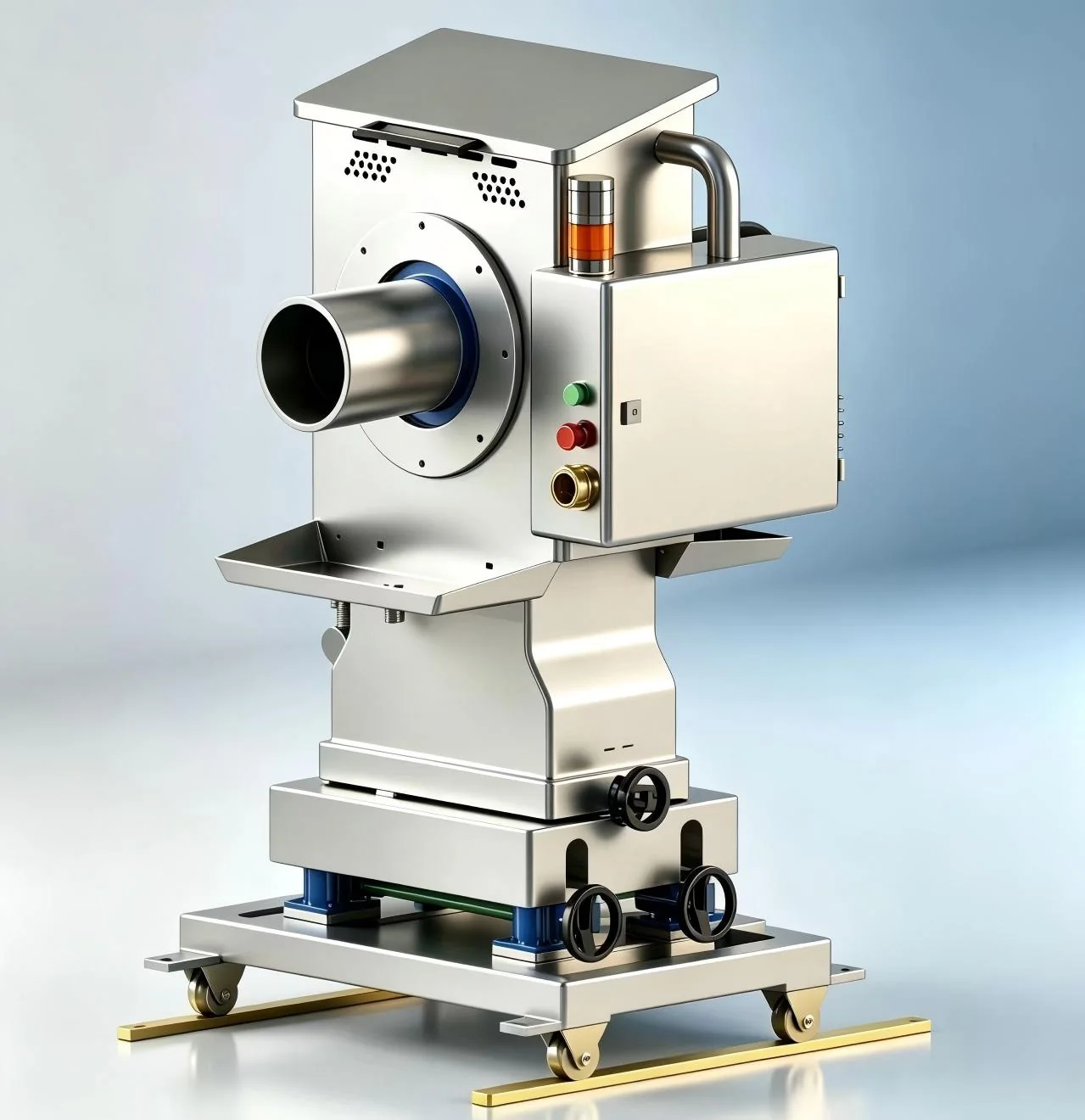
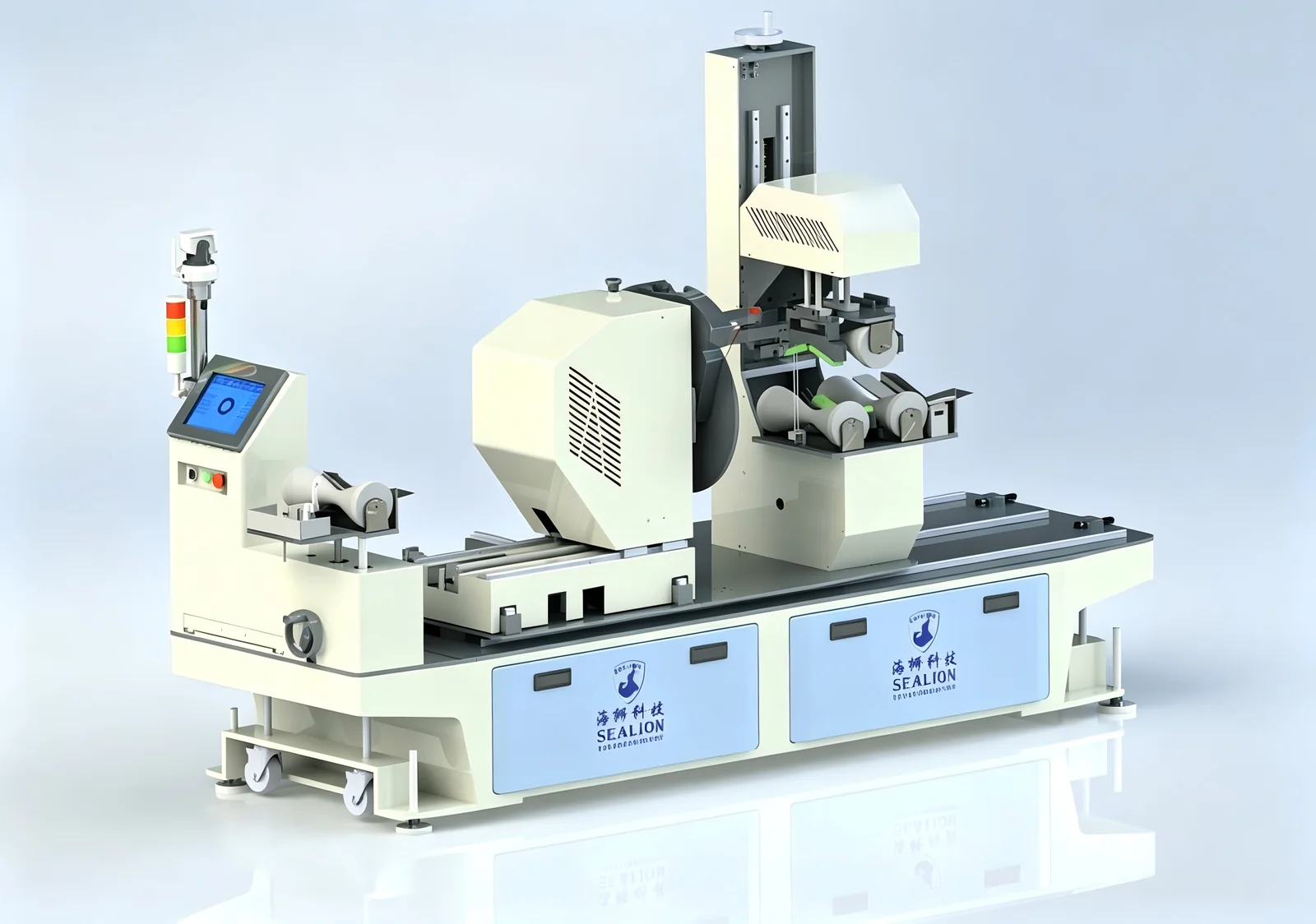
The gauging call has to be made on site
PVC-O is made by stretching a formed PVC-U pipe both axially and radially. After orientation the wall is markedly thinner, and measuring and controlling that wall is the critical step of the process; ordinary ultrasonic in-line gauging cannot give a stable reading on the oriented layer, so the gauging package on a PVC-O line cannot simply be copied from ordinary pipe.
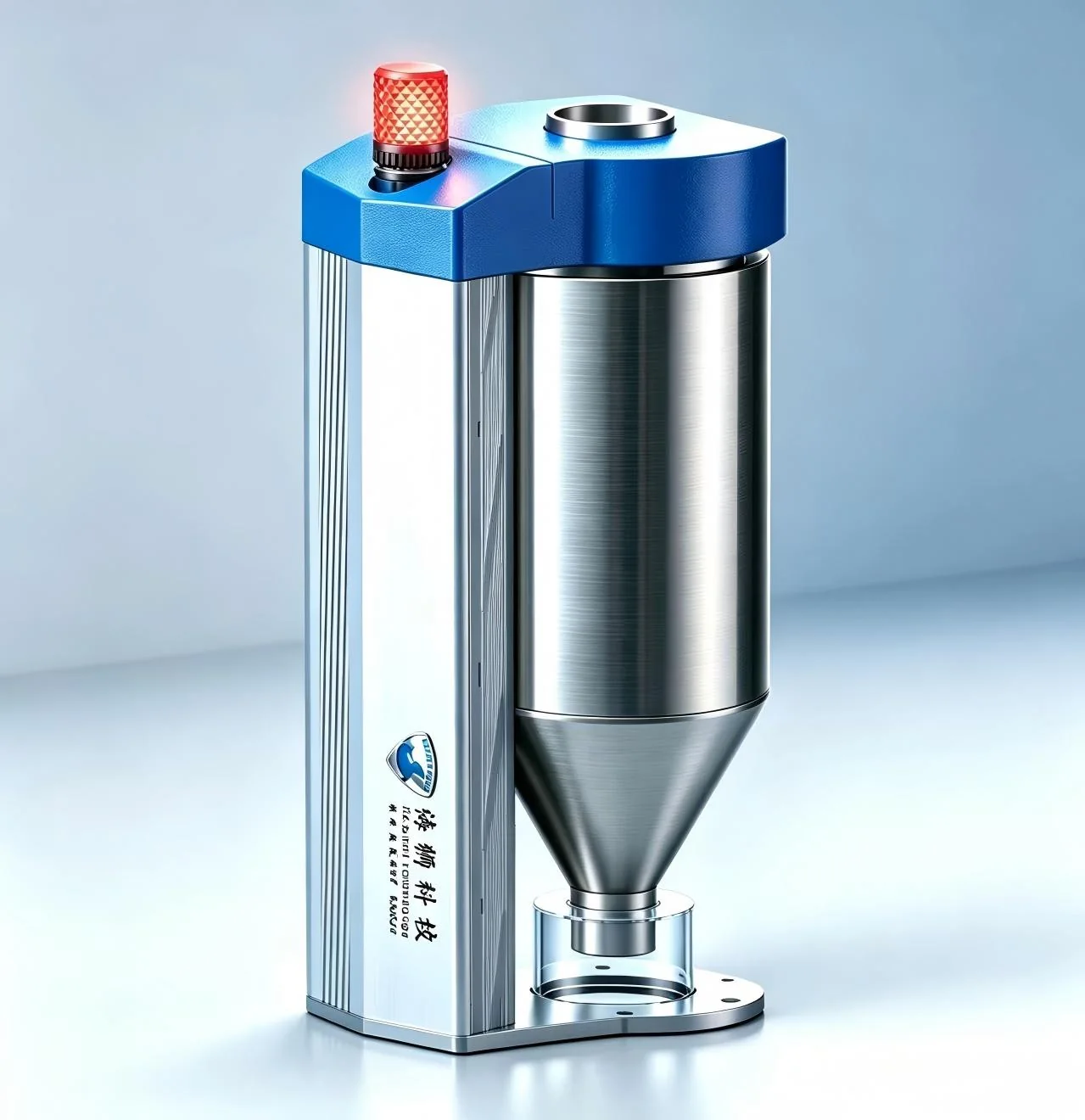
Gravimetric Control System
Learn more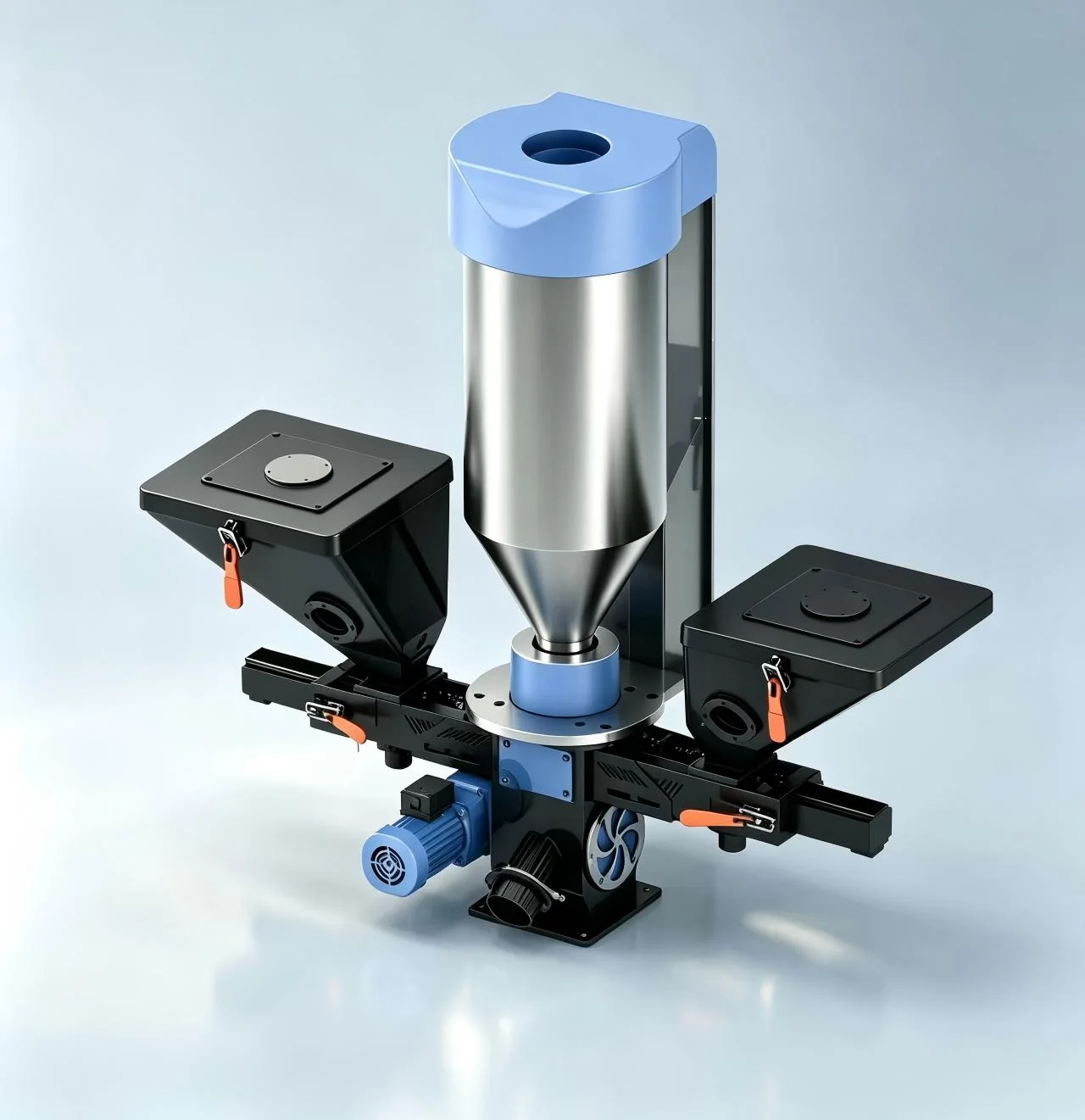
Gravimetric Masterbatch Control System
Learn more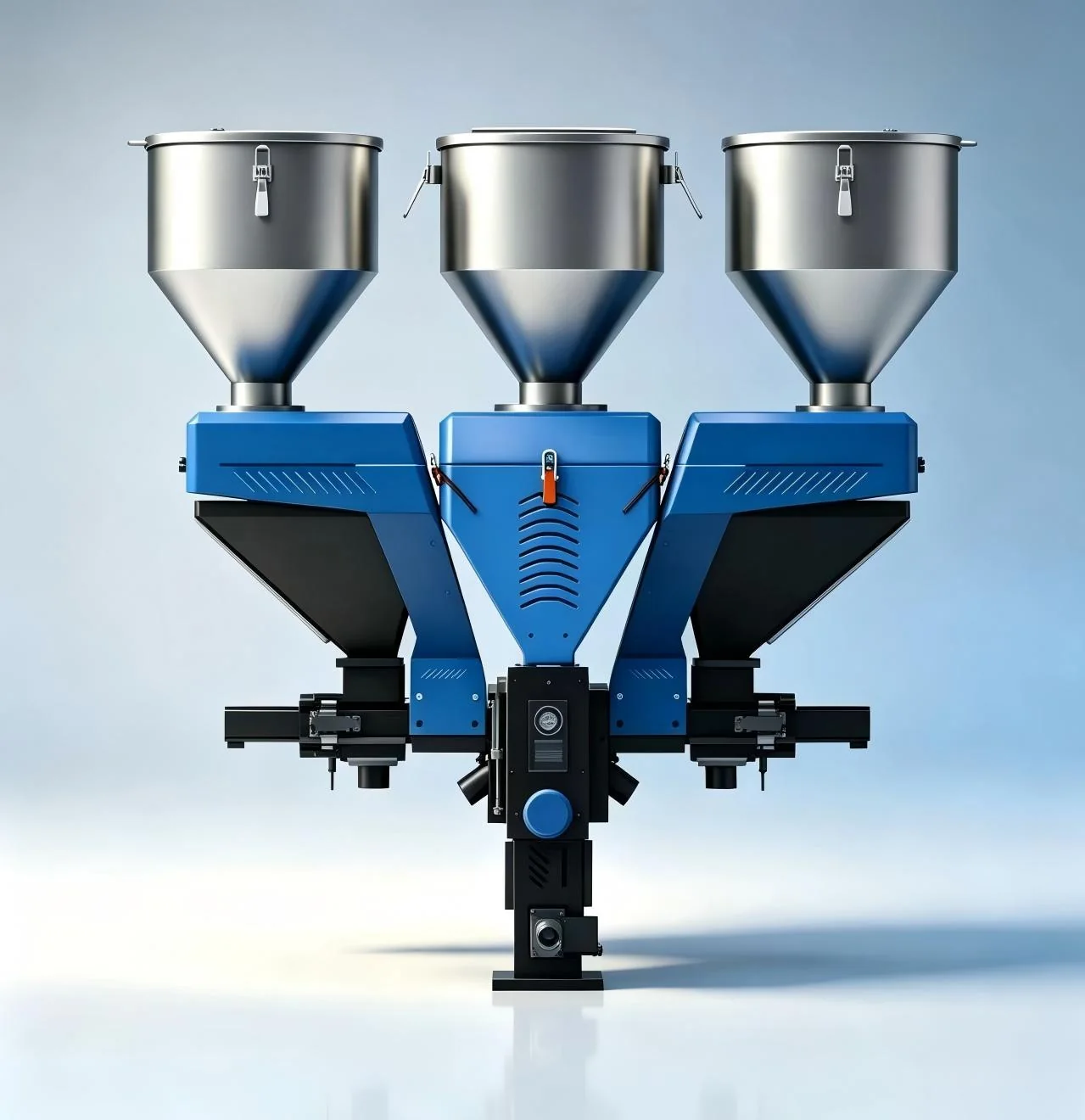
High-Precision Multi-Component Dosing System
Learn moreEverything upstream of the stretching is settled: gravimetric and dosing control hold the material used per metre. The wall-gauging step has to be confirmed on site against diameter, orientation ratio and melt temperature, with a sample trial first where needed — this is one thing we do not promise in general.
Tell an engineer about your line
Diameter, material, line cycle, the parameter you need held — with those, we can propose the right configuration.